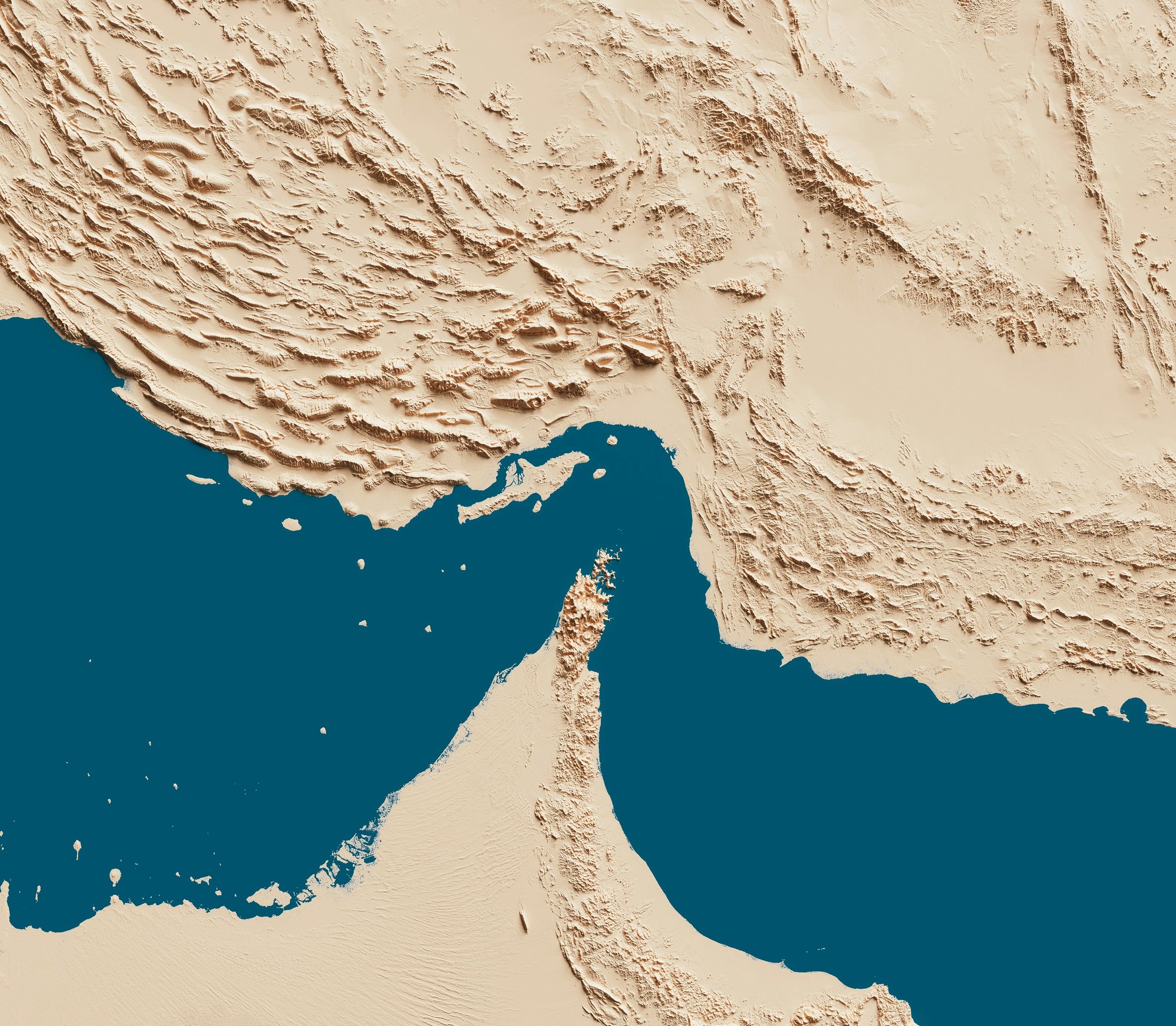
The first quarter of 2026 was notably marked by the US and Israeli attack on Iran.
As always, if you have any questions relating to this report or our portfolios, please speak to your adviser. Thank you for your continued trust and partnership.
Looking for something specific?
The first quarter of 2026 was tough for investors. War between the US and Iran drove oil prices sharply higher, weighing on both stock markets and bonds. Commodities were the exception, with prices surging around 40%. Overall, the quarter showed the importance of broad diversification and long-term investing.
Both ProsperityShield and ProsperityBuild held up well in the circumstances. ProsperityShield ended the quarter with a positive return while ProsperityBuild saw a broadly neutral performance.
We maintain a cautious stance, though we are confident in the outlook going forward.
Want to explore the market update in further detail?
Quick overview (2 minute read)
Introduction
It was a difficult start to 2026 as the US-Iran war unsettled investors worldwide and oil prices soared. Both shares and bonds lost value – an unusual combination that gave investors few places to turn.
Markets
Most global stock markets experienced falling share prices during the quarter.
The US had its worst quarter in three years, while European markets also struggled due to rising energy costs. The UK held up well thanks to large energy and mining companies, although Japan was the standout performer.
Both ProsperityShield and ProsperityBuild navigated the quarter well. ProsperityShield finished with a positive return, while ProsperityBuild ended broadly neutral. This is due to our risk reduction measures taken during March.
Fixed Income
Bonds also experienced falling prices. Rising oil prices resulted in inflation concerns, pushing back expectations of interest rate cuts and leaving bond prices under pressure throughout the period.
Commodities
Commodities were the standout area of the quarter. Oil prices soared after the Strait of Hormuz was effectively shut, driving the broader commodities index up around 40%.
Gold and silver also saw improving prices, though both saw declines towards the end of March.
Outlook
We are being cautious for now but remain optimistic over the longer term. Situations like this have historically proven temporary, and with inflation easing and interest rates close to their peak, we hope conditions for investors will gradually improve. We are ensuring our portfolios stay diversified and keeping a firm focus on your long-term goals.
A deeper dive (5 minute read)
Introduction
The first quarter of 2026 was turbulent for investors. War between the US and Iran sent shockwaves through global markets, pushing energy prices sharply higher.
At the same time, growing doubts about whether artificial intelligence can deliver on its commercial promises meant falling prices for technology stocks.
Unusually, both share and bond prices fell, which is a reminder that a well-diversified portfolio remains the best defence for most investors.
Markets
Most stock markets ended the quarter lower than they started it.
The UK was a rare bright spot, with its large energy and mining companies benefiting as commodity prices rose, and a weaker pound giving an added lift to export-based companies.
In the US, the main stock market index, the S&P 500, dropped 2.5%, which was its worst quarter in three years, as the war disrupted oil supplies and knocked confidence in the technology sector. Europe faced similar pressures from soaring energy costs.
Japan was the strongest major market, up 3.85%, driven by a decisive election result and a weaker yen. Emerging markets held up better than most developed economies, though all regions felt the strain as the war escalated through March.
ProsperityShield delivered a positive return, with our cautious stance on government bonds and our commodity holdings both proving well-timed. ProsperityBuild ended the quarter broadly neutral as early gains in Japan and emerging markets were partly offset by later falls. Pulling back from riskier areas as investor sentiment deteriorated helped us to limit the damage we may otherwise have seen.
Fixed Income
Bonds had a tough quarter. The jump in oil prices stoked fears that inflation could prove stickier than hoped, reducing the likelihood of near-term interest rate cuts and making bonds less appealing as a result.
Yields rose and prices fell across most major markets, with UK government bonds among the worst affected.
Commodities
Commodities were the standout area of the quarter. The war effectively shut down the Strait of Hormuz, which is a narrow waterway carrying roughly a fifth of the world’s oil, sending prices surging and pushing the broader commodities index up around 40%.
Gold and silver prices rose due to demand for relatively safer assets, but also saw declines in March.
Outlook
We have trimmed risk since the US-Iran war began, while making sure we keep broad diversification across our portfolios. The situation remains hard to call as a peace deal could spark a sharp market rebound, but the timing is uncertain.
Looking further ahead, we remain optimistic. Geopolitical crises have historically had a temporary impact on markets, and with inflation easing and interest rates close to their peak, the backdrop for investors is gradually improving.
At Flying Colours, we will keep doing what we always do, holding a broad spread of quality investments, managing risk carefully, and staying focused on your long-term financial goals.
The full analysis (10 minute read)
Introduction
The first quarter of 2026 proved challenging for investment markets, largely due to rising geopolitical tensions and the outbreak and escalation of the conflict between the United States and Iran. This created uncertainty across financial markets, leading to increased volatility across most asset classes.
Share prices fell in most parts of the world, and bonds, which normally rise in value when shares fall, also came under pressure due to inflation fears. The quarter was a reminder of how quickly global events can affect markets, reinforcing the importance of diversification and disciplined long-term investing.
Markets
The first quarter of 2026 was dominated by two key themes: growing uncertainty about the long-term impact of artificial intelligence, and the outbreak of war between the United States and Iran. Together, these drove sharp swings in markets worldwide. Share prices fell in most regions, bonds struggled, and energy prices surged.
Our ProsperityShield portfolio entered the period with an underweight position in developed market government bonds, while our allocation to emerging market debt had very limited exposure to Gulf countries. This positioning proved helpful as bond markets came under pressure. Our exposure to commodities provided additional support during the period, while alternative assets and credit markets struggled. Overall, performance evolved broadly in line with expectations, with the fund delivering a positive return over the quarter.
ProsperityBuild initially benefited from an overweight positioning in both Japanese and Emerging Markets, both of which performed well in the early part of the quarter. However, some of those gains were reduced as these regions experienced sharper declines than others. Importantly, we reduced our risk exposure as global market conditions deteriorated, which helped protect capital and resulted in broadly neutral performance for the quarter.
UK
The UK stock market bucked the global trend and delivered a positive return, helped by its large energy and mining companies, which benefited from higher oil and commodity prices. A weaker pound also benefited export-focused companies.
However, smaller, more domestically focused UK companies struggled, and hopes of a cut faded as the Bank of England held interest rates at 3.75%.
Europe
European share markets fell, with most of the damage coming in March as the US-Iran conflict escalated. Energy companies did well on the back of rising oil prices, but most other sectors saw a decline in equity prices. The higher energy costs heightened inflation concerns, and the broader economic picture looked fragile, with business activity slowing noticeably.
US
US shares fell sharply, with the S&P 500 dropping by 2.5%, its worst quarter since 2022.
Investor sentiment turned negative after the US and Israeli strikes on Iran disrupted oil supplies through the Strait of Hormuz, which is a critical shipping route for global oil supplies.
In addition, market uncertainty weighed on investors, particularly in the technology sector, caused by questions about AI’s effect on traditional software business models.
Japan
Japan was the strongest performing major market, rising by 3.85% over the quarter. A decisive election victory for the Liberal Democratic Party in the lower house elections boosted investor confidence, and a weaker yen helped Japanese exporters.
However, like the rest of the world, Japanese shares fell in March due to the US-Iran conflict and rising energy prices.
Asia & Emerging Markets
Emerging markets, which include countries like China, India, South Korea, and Brazil, held up better than developed markets overall, though they also saw negative returns in March.
Technology-heavy markets like South Korea and Taiwan performed well early in the quarter, but the rising oil prices and global uncertainty also hit many countries in this region hard.
China and India underperformed amid concerns about economic growth and high share price valuations.
Fixed Income
Bonds had a difficult quarter. Normally, bonds rise in value when there is uncertainty in markets, however, the spike in oil prices raised fears that inflation could stay high for longer, meaning central banks might delay cutting interest rates.
This caused bond prices to fall, and yields, which are the returns that investors receive, to rise. UK government bonds were hit hardest, while US government bonds held up better than most.
Commodities
Raw materials such as oil, metals and agricultural products delivered very strong returns across the quarter.
The main commodities index rose around 40%, driven almost entirely by surging oil prices after the effective block of the Strait of Hormuz, which is used for around 20% of global oil supply.
Gold and silver prices also rose over the quarter but experienced sharp declines in March, as higher interest rate expectations reduced their appeal to investors.
Outlook
At Flying Colours, we have become more cautious in our outlook since the US-Iran conflict began.
Markets remain unpredictable, and sharp swings in either direction are possible. Any meaningful peace agreement could trigger a rapid rebound in share prices, but both parties remain hard to predict, and our short-term visibility is limited.
That said, we believe there is a strong probability of resolution over the medium term, which is consistent with historical precedents where geopolitical shocks tend to be intense but ultimately temporary. As always, markets are forward-looking, and many price adjustments typically occur before clarity fully emerges
Inflation pressures are easing and interest rates appear close to their peaks, which is a positive backdrop for investors. However, US shares remain elevated, and political and financial uncertainty persists across the UK and Europe.
At Flying Colours, we remain cautious in our approach to government bonds, preferring to focus on high-quality issuers with strong fiscal discipline, despite more attractive yields that may be appearing elsewhere.
We continue to maintain globally diversified and balanced portfolios, with a clear focus on protecting capital and delivering sustainable returns over the long term, including exposure to a range of assets beyond traditional shares and bonds.
Each Flying Colours portfolio consists of two funds. Each portfolio is specifically designed to meet the unique investment needs and objectives of our investors, blending the relevant split of growth and capital preservation strategies to meet your risk profile. Below you can read about how each fund performed during the quarter.
Growth Fund: ProsperityBuild
Our growth fund, ProsperityBuild, delivered marginally positive returns over the quarter, demonstrating resilience despite the sharp increase in oil prices caused by escalating geopolitical tensions between the US and Iran.
Defensive Fund: ProsperityShield
During the quarter, ProsperityShield delivered positive returns, which were driven by rising oil prices and strong positive returns in gold. This softened the shock on the bond market caused by geopolitical uncertainty.
A closer look at ProsperityBuild
Our strong stock selection in materials, energy, and semiconductors assets drove the positive returns seen in ProsperityBuild this quarter. These were supported by small positive returns in asset groups such as utilities, consumer staples, and industrials.
Consumer-facing sectors and US technology stocks caused the biggest reduction to returns, with large companies experiencing weaker investor sentiment, resulting in money being moved into other parts of the market. In addition, regional allocation changes, which were made in response to market volatility, held back returns.
Leading contributors included Rio Tinto, Glencore, Shell, Samsung Electronics, and TSMC.
A closer look at ProsperityShield
Although having some commodities exposure in ProsperityShield softened the blow, the quarter was dominated by a sharp fall in government bond prices. This reversed gains that were seen earlier in the quarter, as geopolitical tensions pushed inflation and interest rate expectations higher. Exposure to emerging market debt was another area of weakness within the fund.
Within commodities, oil prices rising sharply due to supply disruptions, resulting in increased energy stock prices, while returns across other commodity markets were more mixed. Risk-management strategies such as hedging – used to reduce potential losses by taking an opposing position in a related asset – also added value to the fund.